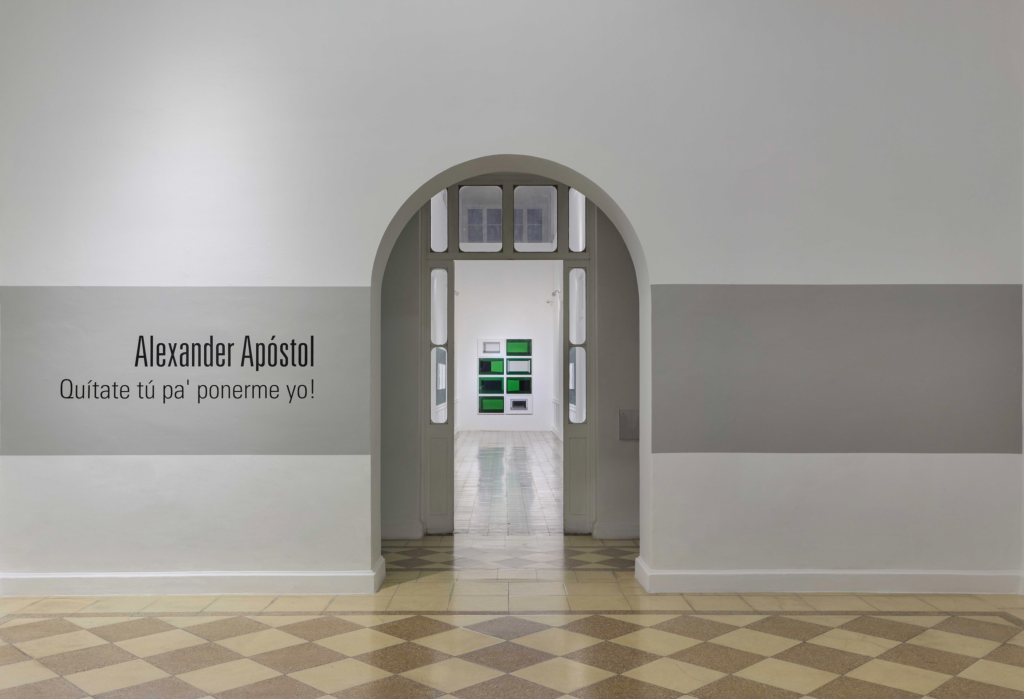
Quítate tú pa’ ponerme yo!
Alexander Apóstol
09.06.2026 – 14.10.2026
The practice of Alexander Apóstol (Barquisimeto, Venezuela, 1969), who lives and works between Caracas and Madrid, has spent three decades exposing the fractures of the modernist project. With a critical look at his native Venezuela and South American tendencies, he excavates the visual systems through which power performs itself: the colors that identify a political party, the architecture that enshrines a national project, the aesthetic languages that democracy borrows and authority ultimately absorbs.
Quítate tú pa’ ponerme yo! takes its name from a Caribbean colloquial expression rooted in an individualistic mindset that conceives political change as the mere replacement of figures in power rather than a transformation of the underlying structures that sustain them.
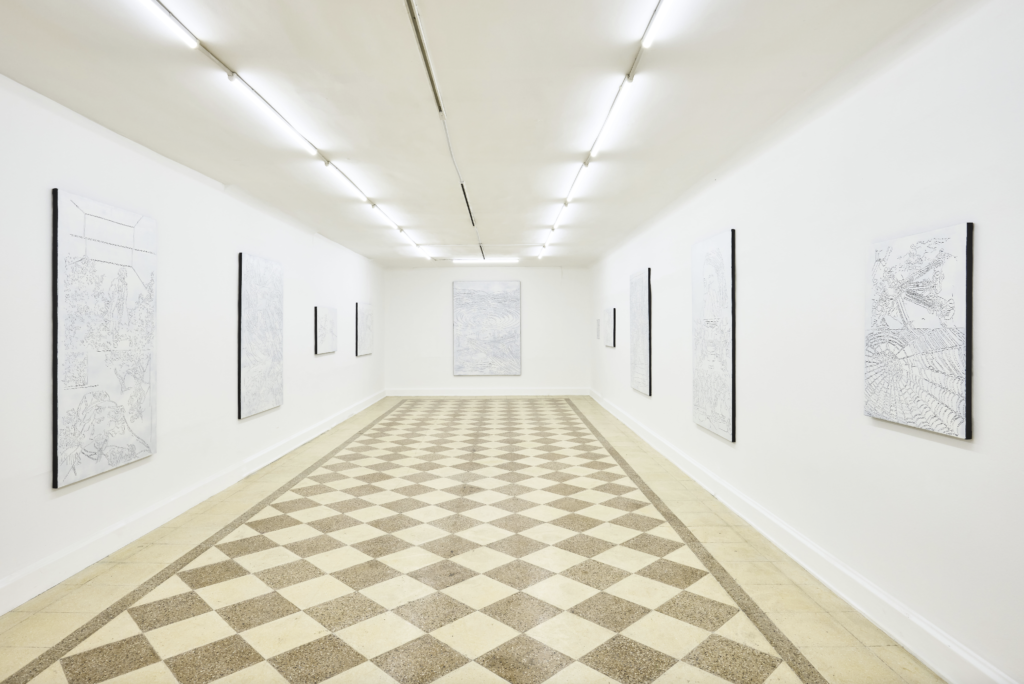
Li-Vision
Wuantxu Shenyi
12.08.2026 - 24.10.2026
In “Li-Vision”, Wuantxu Shenyi explores the line as a structure capable of organizing space, thought, and experience. The series of paintings is based on the Chinese concept of Li (理), which seeks to reveal the principle or internal logic that organizes things. Rather than representing a form, each line becomes a journey, a force, and a form of knowledge.
Drawing from the relationship between fibers, threads, textiles, writing, and painting, Shenyi considers weaving as a way of creating networks. These networks can protect us, filter us, or trap us. Through lines, divisions, and ruptures, “Li-Vision” asks what kinds of relationships might make a more harmonious connection with the nature of things possible.
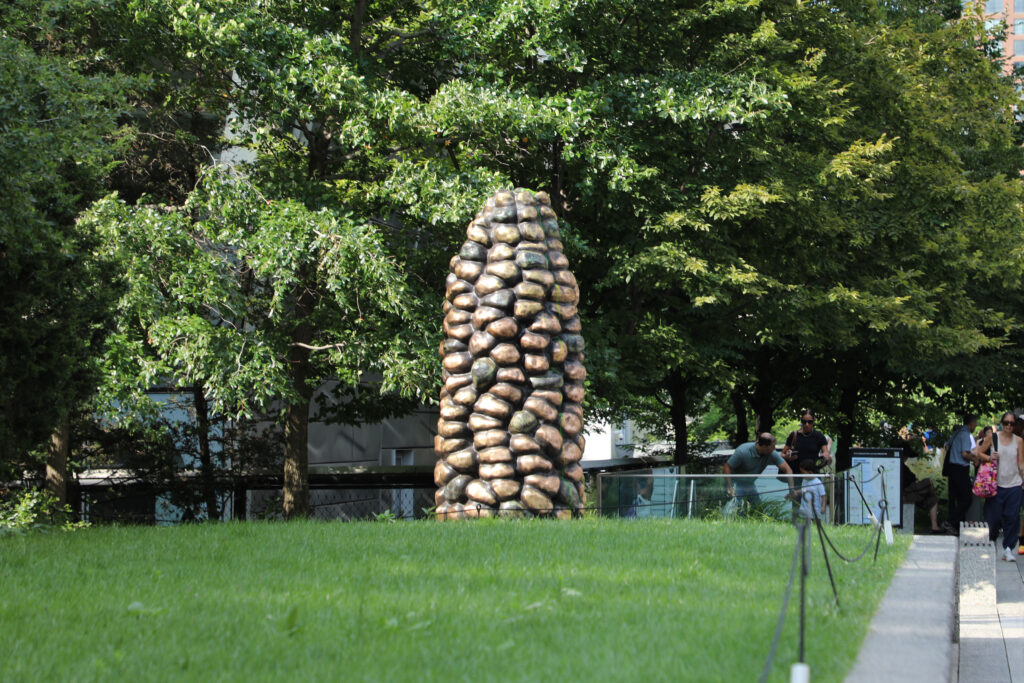
Ximena Garrido-Lecca unveils "The Golden Crop" at The High Line, New York
07.2026 - 06.2027
We are pleased to announce the unveiling of “The Golden Crop”, a new public commission by Ximena Garrido-Lecca at The High Line, New York, curated by Cecilia Alemani.
For this installation, Garrido-Lecca presents a bronze water fountain in the shape of an ear of corn, exploring the intersections of Indigenous knowledge, colonial history, and contemporary industrial agriculture. Neon-yellow water flowing through the sculpture references glyphosate and its impact on ecosystems, while drawing attention to the displacement of native corn varieties by genetically modified crops.
Rooted in the historical landscape of Peru yet addressing global concerns, The Golden Crop invites viewers to reflect on the environmental, cultural, and social consequences of modern systems of resource exploitation.
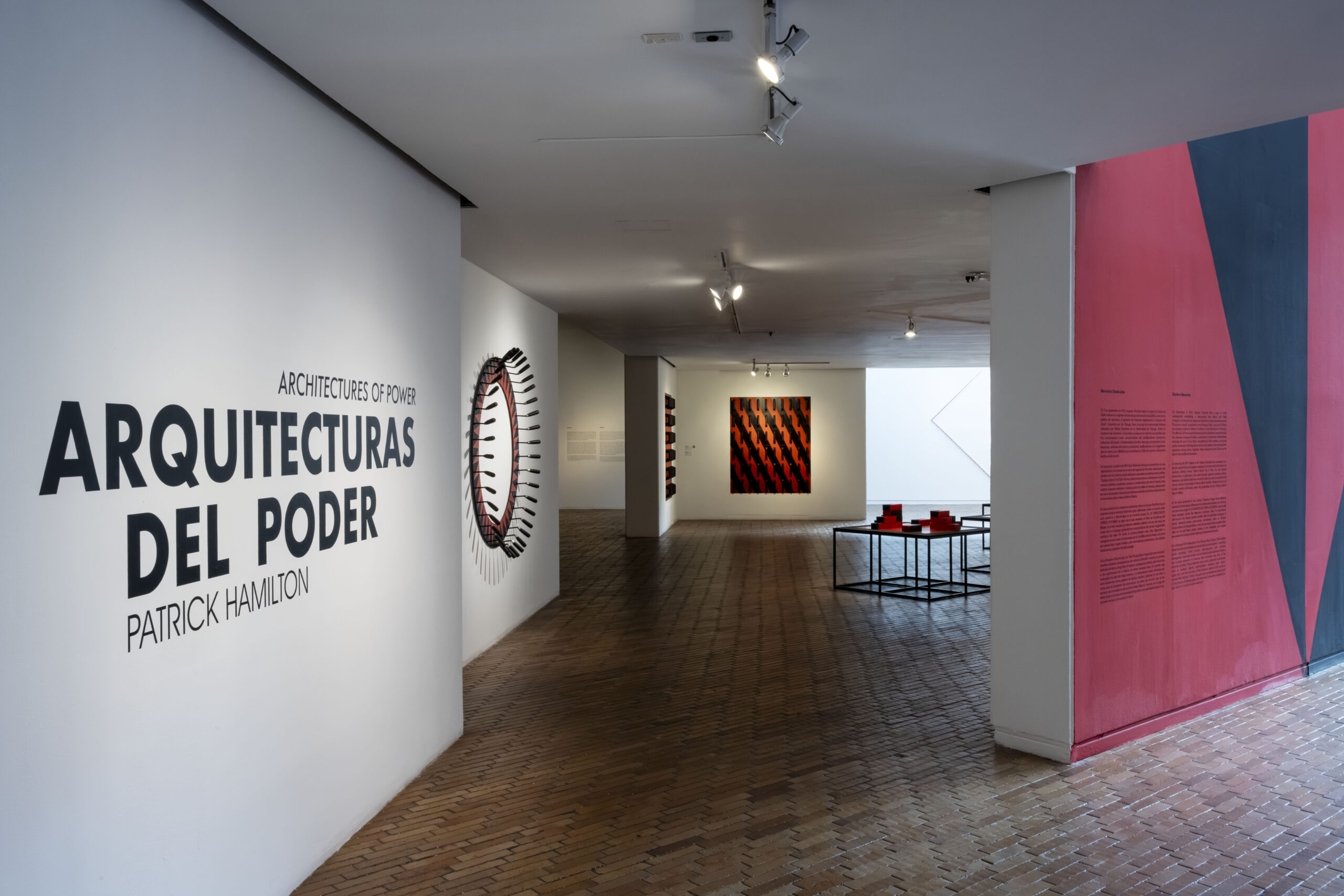
Patrick Hamilton presents “Architectures of Power” at MAMBO
13.08.2026 – 11.01.2027
We are pleased to share that Patrick Hamilton presents “Arquitecturas del poder”, a solo exhibition curated by Eugenio Viola, now on view at the Bogotá Museum of Modern Art (MAMBO).
The exhibition brings together more than two decades of Hamilton’s artistic production, including paintings, installations, sculptures, photographs, and interventions. It examines the visible and invisible structures through which power operates, addressing the enduring effects of dictatorship, neoliberalism, and speculative capitalism in Chile and beyond.
Drawing on archival research and industrial materials such as copper, aluminum, and steel, Hamilton engages with the formal language of modernism, transforming abstraction into a political tool. The exhibition is organized across four sections (“Atacama”, “Bienal 74”, “Chicago Boys”, and “Clad Architectures” / “Abrasive Paintings”), each offering a distinct perspective on the artist’s ongoing investigation into power and its material forms.